Baby Teeth Chart : How Many Teeth Should My Child Have by Age 1, 2, 3…?
A Parent-Friendly Guide from Your Trusted Pediatric Dentist in Texas
From the moment your baby’s first tooth pops through, you enter a new and exciting phase of parenting — one filled with tiny toothbrushes, adorable grins, and lots of questions about what’s “normal.” One of the most common concerns we hear from parents at The Fun Children’s Dentistis:
“How many teeth should my child have by this age?”
Understanding the baby tooth eruption timeline helps you stay ahead of your child’s oral health, catch signs of delayed or early eruption, and support healthy dental development from the very beginning.
This guide breaks down exactly what to expect as your child grows — plus a helpful age-by-age tooth count chart you can bookmark to track your child’s developing smile.
Why Understanding Kids’ Teeth by Age Matters
Baby teeth may be small, but they play huge roles in your child’s development.
They help with:
- Chewing and nutrition
- Clear speech development
- Jaw growth and facial structure
- Holding space for permanent teeth
- Building confidence with their smile
When you understand the normal timeline of tooth eruption, it becomes easier to recognize:
- Delayed tooth eruption
- Early tooth eruption
- Irregular spacing
- Signs of crowding
- Teething discomfort
- When to schedule your child’s first dental visit
If you ever have concerns, your pediatric dentist in Texas (like our team at The Fun Children’s Dentist!) can evaluate your child’s growth and make sure everything is on track.
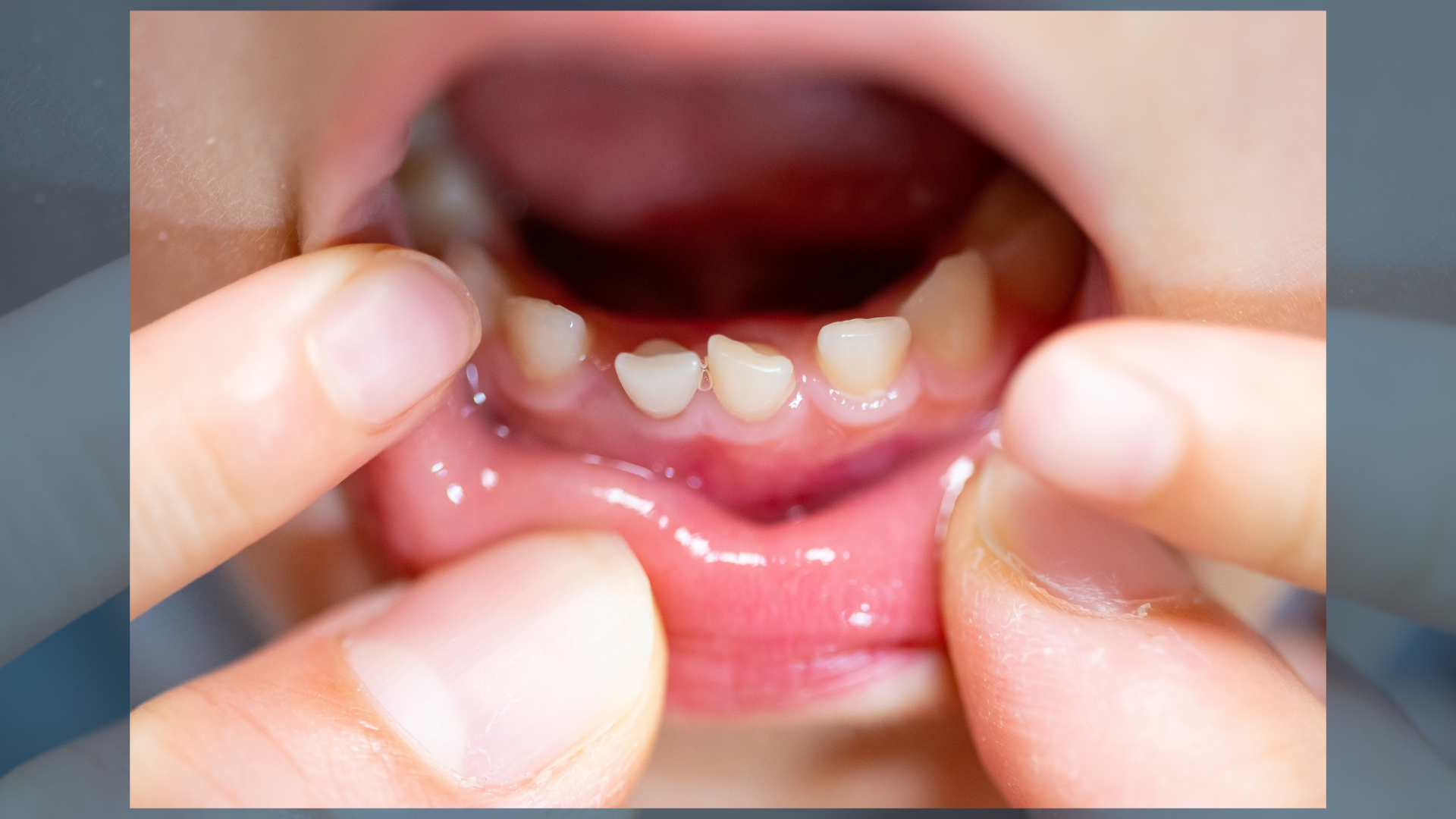
Baby Tooth Eruption Timeline: What’s Normal?
Kids Teeth by Age: Tooth Count Chart
Here is a simple, parent-friendly chart that summarizes how many teeth your child will usually have at each age:

This timeline is a guideline — every child is unique, and eruption may be slightly earlier or later. Your pediatric dentist can help interpret any variations.
How Many Teeth Should My Child Have by Age 1?
Baby’s First-Year Tooth Milestones
By age 1, most children have:
- 6–8 teeth
Typical teeth present:
- Lower central incisors
- Upper central incisors
- Lower lateral incisors (sometimes)
- Upper lateral incisors (sometimes)
What’s normal at this age:
✔ Some babies still have only 2–4 teeth
✔ Some may already have 8
✔ A few might still have NO teeth — which can be normal, especially if parents experienced delayed teething
If your baby has zero teeth by 18 months, it’s a good idea to schedule an evaluation with a pediatric dentist to rule out delayed eruption.
What parents should do at age 1:
- Schedule your child’s first dental visit (AAPD recommends no later than 12 months)
- Begin brushing with a rice-grain amount of fluoride toothpaste
- Avoid bottles at bedtime
- Ask your dentist about early enamel concerns
How Many Teeth Should My Child Have by Age 2?
The 2-Year Molars Begin!
By the time your child turns 2, you can expect:
👉 12–16 teeth
Typical teeth present:
- All eight incisors
- First molars (upper and lower)
- Canines may be coming in or fully erupted
What’s normal at this age:
✔ Some children still have 12
✔ Others have 16
✔ Eruption order can vary — especially canines
Parent tips for age 2:
- Brush twice a day with a soft-bristle toddler brush
- Begin teaching your child to spit out toothpaste
- Introduce flossing between tight molar contacts (your dentist will tell you when needed)
- Watch for teething symptoms as molars come in
How Many Teeth Should My Child Have by Age 3?
The Full Baby Smile!
By age 3, most children have all their baby teeth:
👉 16–20 teeth
Typical teeth present:
- All incisors
- All canines
- First molars
- Second molars
This marks the completion of the primary dentition stage.
What’s normal at age 3:
✔ Some kids get their second molars earlier (around 2–2.5 years)
✔ Others may get them later (closer to 3.5)
By now, your child should have a full set of baby teeth — ready to help with clear speech, healthy eating habits, and jaw development.

What If My Child’s Teeth Don’t Follow This Timeline?
Children may erupt earlier, later, or in different patterns. Some causes include:
- Genetics
- Premature birth
- Nutritional deficiencies
- Developmental conditions
- Eruption obstruction
- Missing teeth (hypodontia)
Most variations are harmless. But if your child’s tooth eruption seems very early or very delayed, a pediatric dentist can evaluate with a visual exam and X-rays.
When to call your pediatric dentist in Texas:
✔ No teeth by 18 months
✔ Only a few teeth by age 2.5–3
✔ Baby teeth coming in very early (before 3–4 months)
✔ Persistent swelling in gums
✔ Teeth erupting in unusual positions
At The Fun Children’s Dentist, we track your child’s tooth development at every visit to make sure everything progresses properly.
The Stages of Baby Tooth Eruption (Explained Simply)
Below is a clear breakdown of the typical eruption order.
Stage 1: 6–12 Months — Incisors Appear
- Lower central incisors
- Upper central incisors
- Upper lateral incisors
- Lower lateral incisors
These are the “front teeth” your baby uses for first bites of soft foods.
Stage 2: 12–18 Months — First Molars Erupt
Molars help children chew more complex foods (fruits, proteins, small veggies).
Stage 3: 16–24 Months — Canines Erupt
Also known as “cuspids,” these sharp-edged teeth help tear food.
Stage 4: 24–36 Months — Second Molars Erupt
These are the last baby teeth to arrive and complete the primary set.
Baby Teeth vs. Permanent Teeth: What Comes Next?
From ages 6–12, your child will start losing baby teeth and replacing them with permanent ones. The first adult teeth to appear are usually:
- Lower central incisors
- First permanent molars (“6-year molars”)
Even though baby teeth fall out, they are crucial because they serve as natural space holders. Losing them too early may lead to:
- Misalignment
- Crowding
- Bite issues
That’s why tooth eruption tracking matters so much.
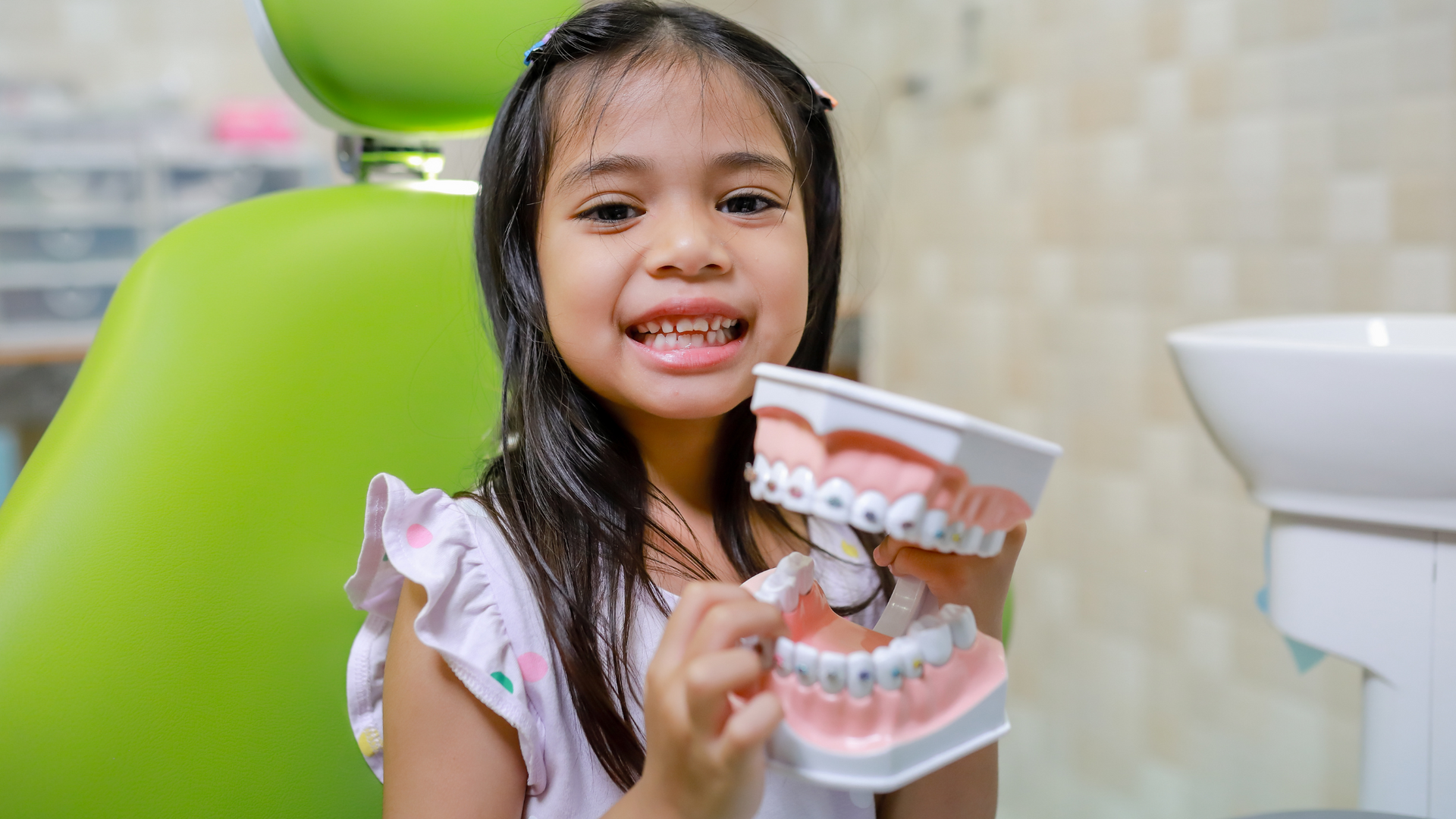
How Pediatric Dentists Track Tooth Development
At The Fun Children’s Dentist, our growth-tracking process includes:
- Visual eruption checks
- We examine which teeth are present and whether they are erupting on schedule.
- Monitoring spacing and bite
- Crowding and spacing issues often reveal themselves as early as age 1–3.
- Gentle dental X-rays (when appropriate)
- These help us see:
- Missing permanent teeth
- Delayed eruption
- Impacted teeth
- Jaw development
- Teething guidance
- We help parents differentiate between normal discomfort and symptoms that need evaluation.
- Growth and Development Consultations
How Parents Can Support Healthy Tooth Eruption
Regardless of when teeth erupt, parents play a big role in maintaining their child’s oral health. Here’s what matters most:
1. Start Dental Visits Early
Schedule your child’s first dental visit by age 1, or within 6 months of the first tooth. Early visits allow your pediatric dentist to guide healthy dental development.
2. Brush Twice a Day
Use:
- A soft toothbrush
- Rice-grain amount of fluoride toothpaste (under age 3)
- Pea-sized amount (over age 3)
3. Introduce Healthy Eating Habits
Limit:
- Sticky candies
- Juice
- Sweetened beverages
- Frequent snacking
Encourage:
- Fruits
- Vegetables
- Cheese
- Water
These support enamel health and help avoid early childhood cavities.
4. Use Fluoride Wisely
Fluoride strengthens enamel and reduces cavities. Ask your dentist about:
- Fluoride toothpaste
- Fluoride varnish treatments
- Local water fluoride levels
5. Keep Up with Regular Dental Exams
Routine checkups allow your pediatric dentist to track eruption stages and spot problems early.

Why Choose a Pediatric Dentist in Texas?
Choosing a pediatric dentist ensures your child receives specialized care tailored to their development.
Pediatric dentists offer:
- Kid-friendly, child-centered care
- Specialized training in growth & development
- Early detection of eruption abnormalities
- Gentle behavior guidance
- A fun, comforting environment
At The Fun Children’s Dentist, your child’s smile is in expert hands at every stage — from the very first tooth to the full set of 20 baby teeth.
Final Takeaway: Your Child’s Smile Has Its Own Timeline
The baby tooth eruption timeline is a helpful guide, but every child grows at their own pace.
What’s important is:
- Monitoring tooth count by age
- Keeping regular dental visits
- Supporting good brushing and nutrition habits
- Asking your pediatric dentist when you’re unsure
As long as your child’s development is monitored by a trusted pediatric dentist in Texas, you’re ensuring the healthiest smile possible at every milestone. And if you need one, come and visit The Fun Children's Dentist together with your child.
Blogs and Resources for Happy and HealthyTeeth